Most iPhone launches bring a faster chip, a slightly better camera and marginally longer battery life. The iPhone 18 Pro brings one change that is genuinely different in kind, and two that are unusually large in degree.
Here is what actually changed, taken from Apple’s published specifications rather than from launch-day excitement.
1. The camera can physically change its aperture
This is the headline, and it is worth understanding properly.
Aperture is the size of the hole that lets light into the lens. On almost every phone camera ever made, that hole is a fixed size. When your phone produces a blurred background in Portrait mode, it is usually calculating that blur in software, not creating it optically.
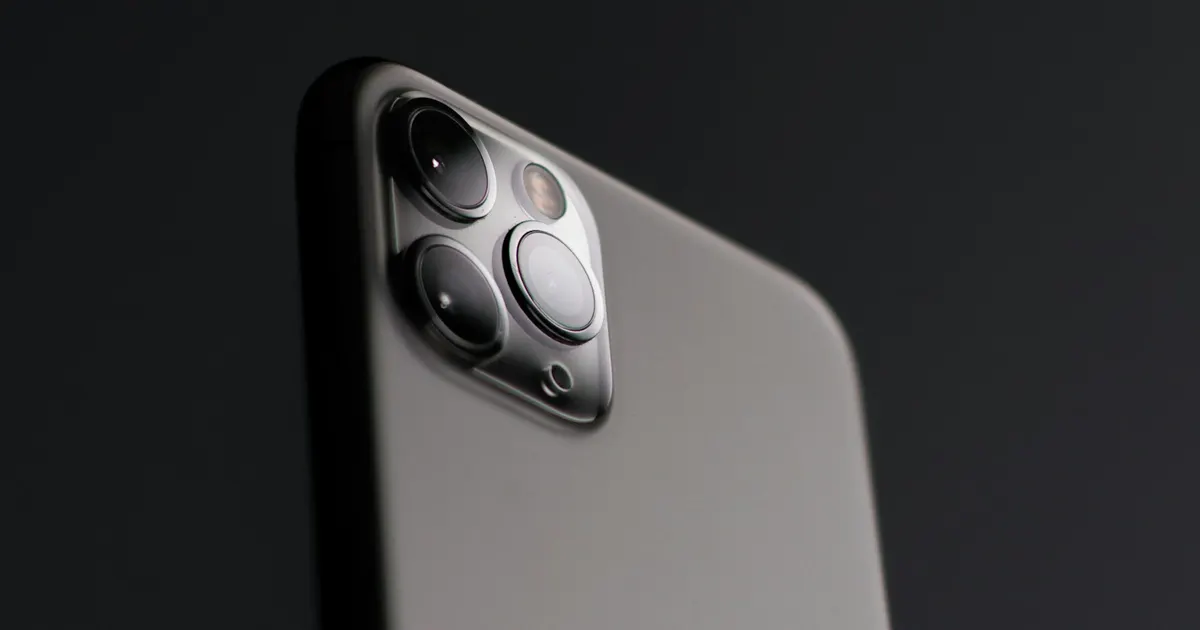
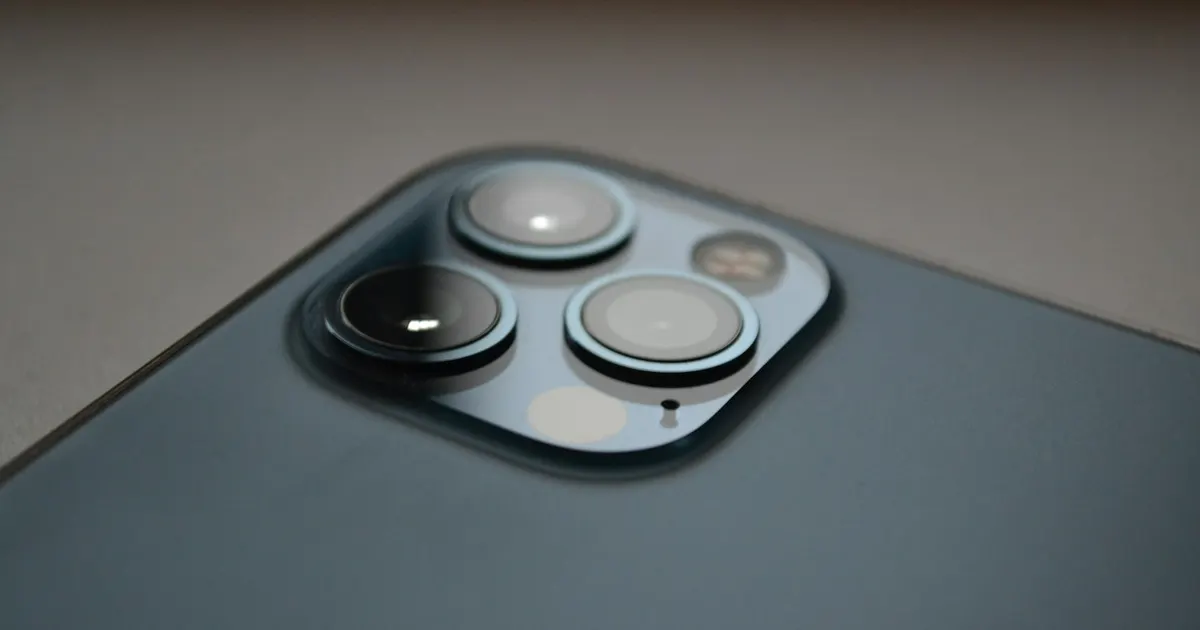
The iPhone 18 Pro’s 48MP Fusion Main camera has a variable aperture that moves between four positions:
| Aperture | What it does |
|---|---|
| ƒ/1.48 | Widest — maximum light for dim rooms and night shots |
| ƒ/1.8 | General low-light work |
| ƒ/2.8 | More of the scene in focus |
| ƒ/4.0 | Narrowest — keeps foreground and background sharp together |
Why this matters practically: a wide aperture gathers light but throws everything except your subject out of focus. A narrow one keeps a group photo or a landscape sharp front to back but needs more light. Until now, phones picked one compromise and stuck with it. This one can choose.
Who should care: anyone who photographs in restaurants, at events, at night, or who shoots groups and landscapes. Who should not: if your photos are mostly daylight snapshots for messaging, you will rarely see the difference.
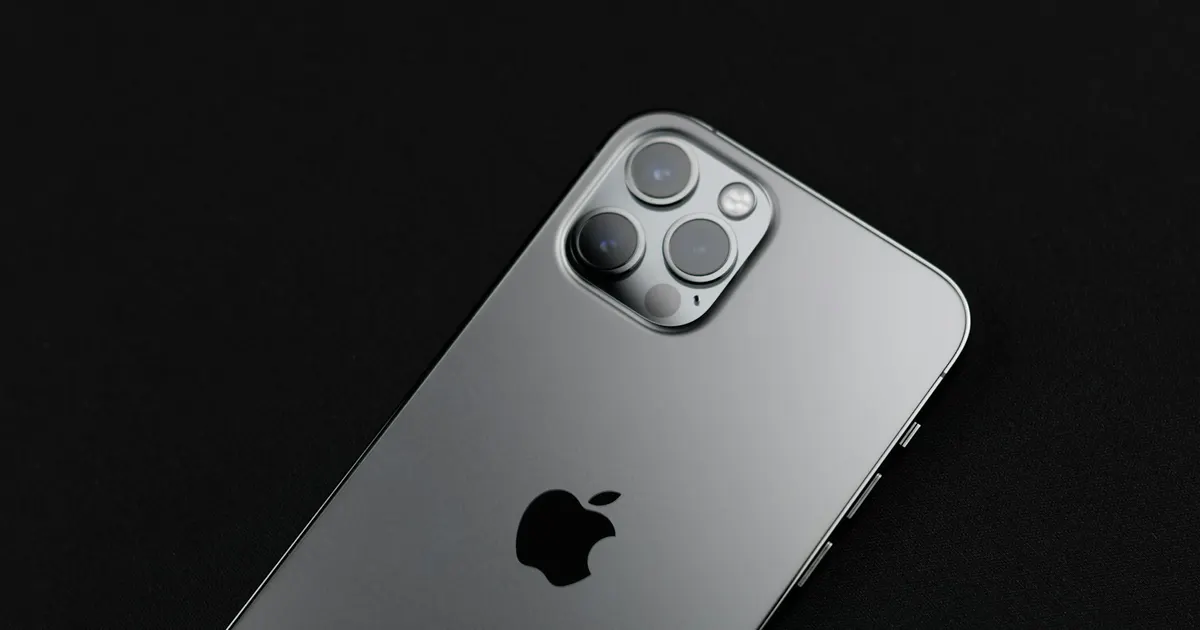
The rest of the system: a 12MP optical-quality 2x Telephoto at 48 mm, and a 48MP Fusion Ultra Wide at 13 mm with a 120° field of view. Both main and telephoto use second-generation sensor-shift stabilisation.
2. The A20 Pro chip
Apple’s specifications list a 6-core CPU (2 performance “super cores” plus 4 efficiency cores), a 7-core GPU with Neural Accelerators, hardware-accelerated ray tracing, and a dual 16-core Neural Engine.
Being honest about what that means for most people: not much day to day. iPhones crossed the “fast enough for normal use” line several generations ago. Where a new chip shows itself is in sustained load — long video exports, demanding games, and on-device AI work, which is clearly where the dual Neural Engine is aimed.
If your current iPhone feels slow, by the way, the chip is rarely the reason. A degraded battery makes a phone feel sluggish because iOS reduces peak performance to prevent shutdowns. That is a battery problem, not a speed problem, and it is fixable.
3. Battery life took a real jump
| Model | Video playback | Streamed video |
|---|---|---|
| iPhone 18 Pro | Up to 36 hours | Up to 33 hours |
| iPhone 18 Pro Max | Up to 45 hours | Up to 40 hours |
Apple also rates the Pro Max at up to 30 hours of typical use. Charging is quoted at up to 50% in around 15 minutes with a 60W or higher adapter with Adjustable Voltage Supply, or 50% in 30 minutes with a 35W or higher adapter over MagSafe.
These are manufacturer figures under manufacturer test conditions, so treat them as a ceiling rather than a promise. But the relative jump is real.
The rest, briefly
- Displays: 6.3-inch (2622×1206) on the Pro, 6.9-inch (2868×1320) on the Pro Max, both Super Retina XDR OLED at 460 ppi
- Storage: 256GB, 512GB, 1TB and now 2TB
- Colours: Burgundy, Glacier, Silver, Black
- Size: 71.9 × 150.0 × 8.75 mm
- Software: iOS 27
What we don’t know yet — and won’t pretend to
How repairable it is. Repairability only becomes clear after independent teardowns and after technicians have actually opened the phone. Anyone publishing a repairability verdict this week is guessing.
We will update this article from our own bench once we have serviced one. Until then, the honest answer is that we do not know.
Should you buy it?
A reasonable framework:
- Coming from an iPhone 17 Pro — probably not. Here is the detailed comparison.
- Coming from an iPhone 15 Pro or older, and it still works — a genuine upgrade, especially the camera and battery.
- Coming from any iPhone with something broken — stop and diagnose the fault first. A single failed component is not the same as a phone that has reached the end of its life. Repair or upgrade?
- Wanting a non-Pro iPhone 18 — there isn’t one.
Thinking of trading in a phone that just needs one thing fixed? Get the fault identified before you decide — it is often a much smaller problem than it feels like. iPhone repair in Guwahati →